NAD+ And Cellular Communication
by Admin
Posted on 22-01-2025 09:43 PM
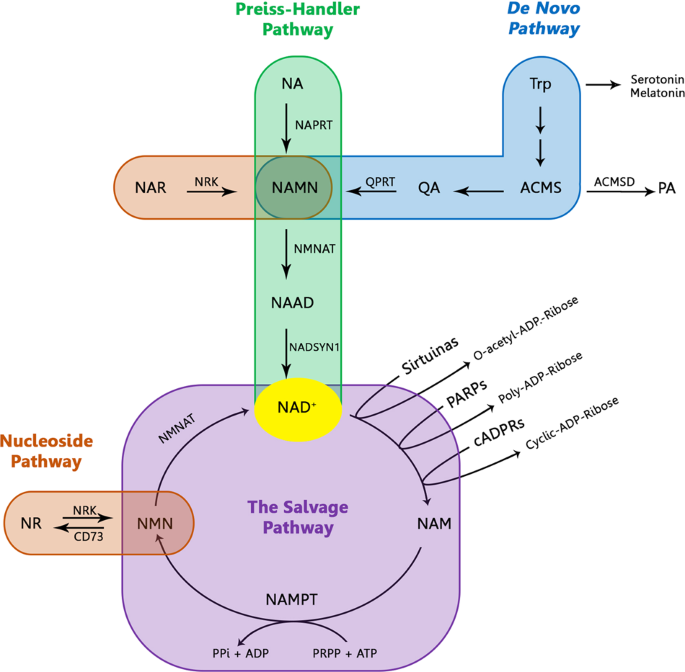
The Role of NAD+ in Cellular Metabolism
NAD+ is a critical component of cellular metabolism, serving as a cofactor in redox reactions. These reactions are essential for the transfer of electrons, which is a fundamental process in energy production. NAD+ is involved in the electron transport chain, a series of reactions that generate ATP (adenosine triphosphate), the primary energy currency of the cell. Without adequate levels of NAD+, cells would struggle to produce the energy required for various physiological functions.
NAD+ in the Mitochondria
The mitochondria, often referred to as the "powerhouses" of the cell, are where most of the NAD+ is utilized. Here, NAD+ acts as an electron carrier, shuttling electrons from one molecule to another in the oxidative phosphorylation process. This process is essential for the efficient production of ATP, which powers all cellular activities.
NAD+ in the Nucleus
NAD+ is also present in the nucleus of cells, where it plays a role in gene expression and DNA repair. Enzymes like PARPs (Poly (ADP-ribose) polymerases) and sirtuins require NAD+ to function. These enzymes are involved in maintaining genomic stability and responding to DNA damage, which is crucial for preventing mutations and cancer.

NAD+ and Sirtuins
Sirtuins are a family of proteins that regulate cellular health and aging. They are NAD+-dependent deacetylases, meaning they require NAD+ to function. Sirtuins are involved in various cellular processes, including metabolism, inflammation, and stress response. By modulating these processes, sirtuins help maintain cellular homeostasis and promote longevity. NAD+ also plays a crucial role in cellular communication, as detailed in this study.
How Sirtuins Use NAD+
Sirtuins use NAD+ to remove acetyl groups from proteins, a process known as deacetylation. This action can alter the function of these proteins, affecting gene expression and cellular metabolism. For example, SIRT1, one of the most well-studied sirtuins, can deacetylate histones, which are proteins that help package DNA. This deacetylation can lead to changes in gene expression, influencing cellular behavior.
Sirtuins and Aging
Research has shown that sirtuins play a significant role in the aging process. As NAD+ levels decline with age, the activity of sirtuins is reduced, leading to various age-related diseases. By maintaining or increasing NAD+ levels, it is possible to enhance sirtuin activity, potentially slowing down the aging process and improving overall health.
NAD+ and PARPs
PARPs are another group of enzymes that are dependent on NAD+. They are involved in DNA repair, particularly in the repair of single-strand breaks. When DNA damage occurs, PARPs are activated and use NAD+ to synthesize poly (ADP-ribose) chains, which help recruit and activate other DNA repair proteins.
The Importance of DNA Repair
DNA repair is essential for maintaining genomic integrity and preventing mutations. Mutations can lead to various diseases, including cancer. By facilitating DNA repair, NAD+ and PARPs help protect cells from the harmful effects of DNA damage, contributing to cellular health and longevity.
NAD+ and PARP Activation
The activation of PARPs can be a double-edged sword. While they are crucial for DNA repair, their excessive activation can deplete NAD+ levels, leading to energy shortages and cellular dysfunction. Therefore, maintaining optimal NAD+ levels is essential for ensuring that PARPs can function without causing harm.
NAD+ and Cellular Signaling
NAD+ is not just a cofactor in metabolic processes; it also plays a significant role in cellular signaling. Signaling pathways are the communication networks within and between cells that control various processes, including cell growth, differentiation, and death. NAD+ is involved in several signaling pathways, making it a key player in cellular communication.
NAD+ and Calcium Signaling
Calcium ions (Ca2+) are important second messengers in cellular signaling. NAD+ can influence calcium signaling by modulating the activity of calcium channels and pumps. This regulation is crucial for maintaining proper calcium levels within the cell, which are necessary for various physiological functions, including muscle contraction and neurotransmitter release.
NAD+ and cAMP Signaling
cAMP (cyclic Adenosine Monophosphate) is another important second messenger involved in cellular signaling. NAD+ can affect cAMP levels by influencing the activity of enzymes like adenylate cyclase and phosphodiesterase. By modulating cAMP signaling, NAD+ can impact processes such as gene expression, protein synthesis, and cell cycle regulation.
NAD+ and Neurodegenerative Diseases
Neurodegenerative diseases, such as Alzheimer's and Parkinson's, are characterized by the progressive loss of neurons. NAD+ plays a crucial role in neuronal health and has been shown to have protective effects against neurodegeneration.
NAD+ and Neuronal Energy Metabolism
Neurons are highly energy-dependent cells, and disruptions in their energy metabolism can lead to neuronal death. NAD+ is essential for the efficient production of ATP in neurons, helping to maintain their energy levels and function. By supporting neuronal metabolism, NAD+ can protect against the energy deficits that contribute to neurodegenerative diseases.
NAD+ and Neuroinflammation
Neuroinflammation is a common feature of many neurodegenerative diseases. NAD+ can help reduce neuroinflammation by modulating the activity of sirtuins and other inflammatory pathways. For example, SIRT1 can deacetylate and inhibit the activity of NF-κB, a key transcription factor involved in inflammation. By reducing inflammation, NAD+ can help protect neurons from damage.
NAD+ and Cancer
Cancer is a complex disease characterized by uncontrolled cell growth and division. NAD+ and its related enzymes, such as sirtuins and PARPs, play a dual role in cancer. On one hand, they can help prevent cancer by maintaining genomic stability and repairing DNA damage. On the other hand, cancer cells can exploit NAD+ to support their rapid growth and division.
NAD+ and DNA Repair in Cancer
Cancer cells often have increased levels of DNA damage due to their rapid division. To survive and proliferate, they need to repair this damage efficiently. NAD+ and PARPs are crucial for this repair process. However, by targeting NAD+ and PARP pathways, it may be possible to inhibit cancer cell growth and enhance the effectiveness of cancer treatments.
NAD+ and Metabolism in Cancer
Cancer cells have altered metabolic pathways that allow them to produce energy more efficiently. NAD+ is a key player in these metabolic processes. By modulating NAD+ levels and pathways, it may be possible to disrupt the energy production of cancer cells, making them more vulnerable to treatment.
NAD+ and Exercise
Exercise is known to have numerous health benefits, including improved cardiovascular health, weight management, and cognitive function. Recent research has shown that NAD+ plays a significant role in these benefits. Exercise can increase NAD+ levels, which in turn enhances cellular function and communication.
NAD+ and Muscle Function
During exercise, muscle cells require a significant amount of energy. NAD+ is essential for the efficient production of ATP in muscle cells, helping to maintain their function and prevent fatigue. Additionally, NAD+ can activate sirtuins, which can improve muscle health and repair.
NAD+ and Brain Function
Exercise has been shown to improve cognitive function and reduce the risk of neurodegenerative diseases. Part of this benefit may be due to increased NAD+ levels in the brain. NAD+ can support neuronal metabolism and reduce neuroinflammation, both of which are crucial for maintaining brain health.
NAD+ and Aging
Aging is a natural process characterized by the gradual decline in cellular function. NAD+ levels naturally decrease with age, which can contribute to various age-related diseases and conditions. Understanding the role of NAD+ in aging can provide insights into how to maintain cellular health and potentially extend lifespan.
NAD+ Decline and Cellular Dysfunction
As NAD+ levels decline with age, the activity of NAD+-dependent enzymes like sirtuins and PARPs is reduced. This can lead to disruptions in cellular processes, such as energy production, DNA repair, and gene expression. Over time, these disruptions can result in cellular dysfunction and the onset of age-related diseases.
Strategies to Boost NAD+ Levels
Several strategies can help boost NAD+ levels and potentially slow down the aging process. These include dietary interventions, such as consuming foods rich in NAD+ precursors like nicotinamide riboside (NR) and nicotinamide mononucleotide (NMN). Additionally, supplements and lifestyle changes, such as regular exercise and calorie restriction, can also help maintain NAD+ levels.
NAD+ and Longevity
The connection between NAD+ and longevity has been a topic of extensive research. Studies in model organisms like mice and worms have shown that increasing NAD+ levels can extend lifespan and improve healthspan, the period of life spent in good health.
NAD+ and Metabolic Health
Maintaining optimal NAD+ levels is essential for metabolic health. NAD+ helps regulate metabolism through its role in sirtuin activation and energy production. By supporting metabolic health, NAD+ can help prevent conditions like obesity, diabetes, and cardiovascular disease, which are major contributors to reduced lifespan.
NAD+ and Cellular Resilience
NAD+ also enhances cellular resilience, the ability of cells to withstand and recover from stress. This resilience is crucial for maintaining health and longevity. By supporting cellular resilience, NAD+ can help protect against the cumulative damage that occurs with age.
NAD+ and Therapeutic Applications
The potential therapeutic applications of NAD+ are vast, ranging from the treatment of age-related diseases to the enhancement of athletic performance. As research continues to uncover the many roles of NAD+ in cellular health, new treatments and interventions are being developed to harness its benefits.
NAD+ in Disease Treatment
NAD+ has shown promise in the treatment of various diseases, including neurodegenerative disorders, metabolic diseases, and cancer. By targeting NAD+ pathways, it may be possible to improve the outcomes of these conditions. For example, NAD+ precursors like NR and NMN are being studied for their potential to slow the progression of Alzheimer's disease.
NAD+ in Athletic Performance
NAD+ can also enhance athletic performance by improving muscle function and energy production. Athletes and fitness enthusiasts are increasingly turning to NAD+ precursors and supplements to boost their performance and recovery. By optimizing NAD+ levels, it is possible to enhance endurance, strength, and overall physical performance.
FAQs
What is NAD+ and why is it important for cellular health?
NAD+ (Nicotinamide Adenine Dinucleotide) is a coenzyme found in all living cells. It is crucial for cellular health because it plays a key role in energy production, DNA repair, and cellular signaling. NAD+ helps cells maintain their function and integrity, which is essential for overall health and longevity.
How does NAD+ decline with age?
NAD+ levels naturally decline with age due to various factors, including increased consumption by enzymes like PARPs and sirtuins, decreased production, and genetic mutations. This decline can lead to cellular dysfunction and the onset of age-related diseases.
Can NAD+ supplements help improve health and longevity?
Yes, NAD+ supplements, such as precursors like nicotinamide riboside (NR) and nicotinamide mononucleotide (NMN), have shown promise in improving health and potentially extending lifespan. These supplements can help boost NAD+ levels, enhancing cellular function and communication.
What are the potential side effects of NAD+ supplements?
While NAD+ supplements are generally considered safe, some people may experience mild side effects such as nausea, flushing, and stomach discomfort. It is always advisable to consult with a healthcare professional before starting any new supplement regimen.
How does exercise affect NAD+ levels?
Exercise can increase NAD+ levels in the body. Physical activity stimulates the production of NAD+ and enhances its utilization in muscle cells and the brain. This can lead to improved cellular function, increased energy production, and better overall health.
What is the role of NAD+ in cancer?
NAD+ and its related enzymes, such as sirtuins and PARPs, play a dual role in cancer. They can help prevent cancer by maintaining genomic stability and repairing DNA damage. However, cancer cells can also exploit NAD+ to support their rapid growth and division. Targeting NAD+ pathways may offer new strategies for cancer treatment.
i-DNA Biotechnology Pte Ltd
237 Pandan Loop, #07-08 Westech Building, Singapore 128424
Telephone: 6779 0665
Email for general enquiry: info@i-dna.sg
Email for sales enquiry: sales@i-dna.sg
Email for support: technical@i-dna.sg